Madrasatul Fallah Solar Borehole Initiative | 2025
The Context
Kwale County sits along Kenya’s coast, bordering Kilifi and Taita Taveta counties, with nearly half its population living in poverty at 47.4%, significantly above the national rate of 36.1%.
In rural villages across the county, access to clean water is not infrastructure that exists and needs maintenance. For many communities, it is infrastructure that has never existed at all.
While 91% of Kenya’s urban population has access to improved drinking water sources, only 56% of the rural population does. The gap is widest in coastal counties where villages sit far from piped networks and groundwater quality is not guaranteed.
For the students and families of Kibandeni Ujamaa village, that gap was the daily reality.
The Project
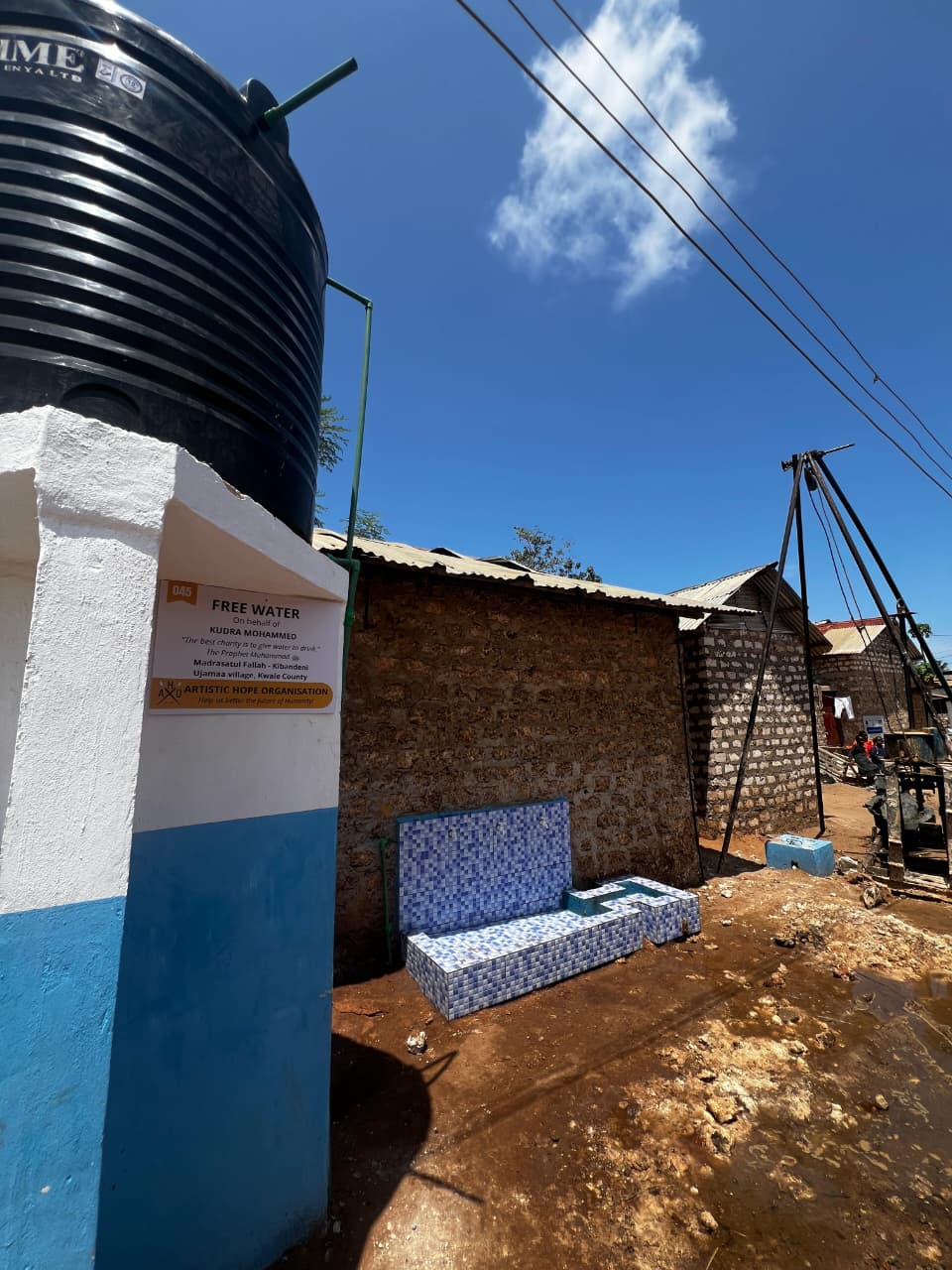
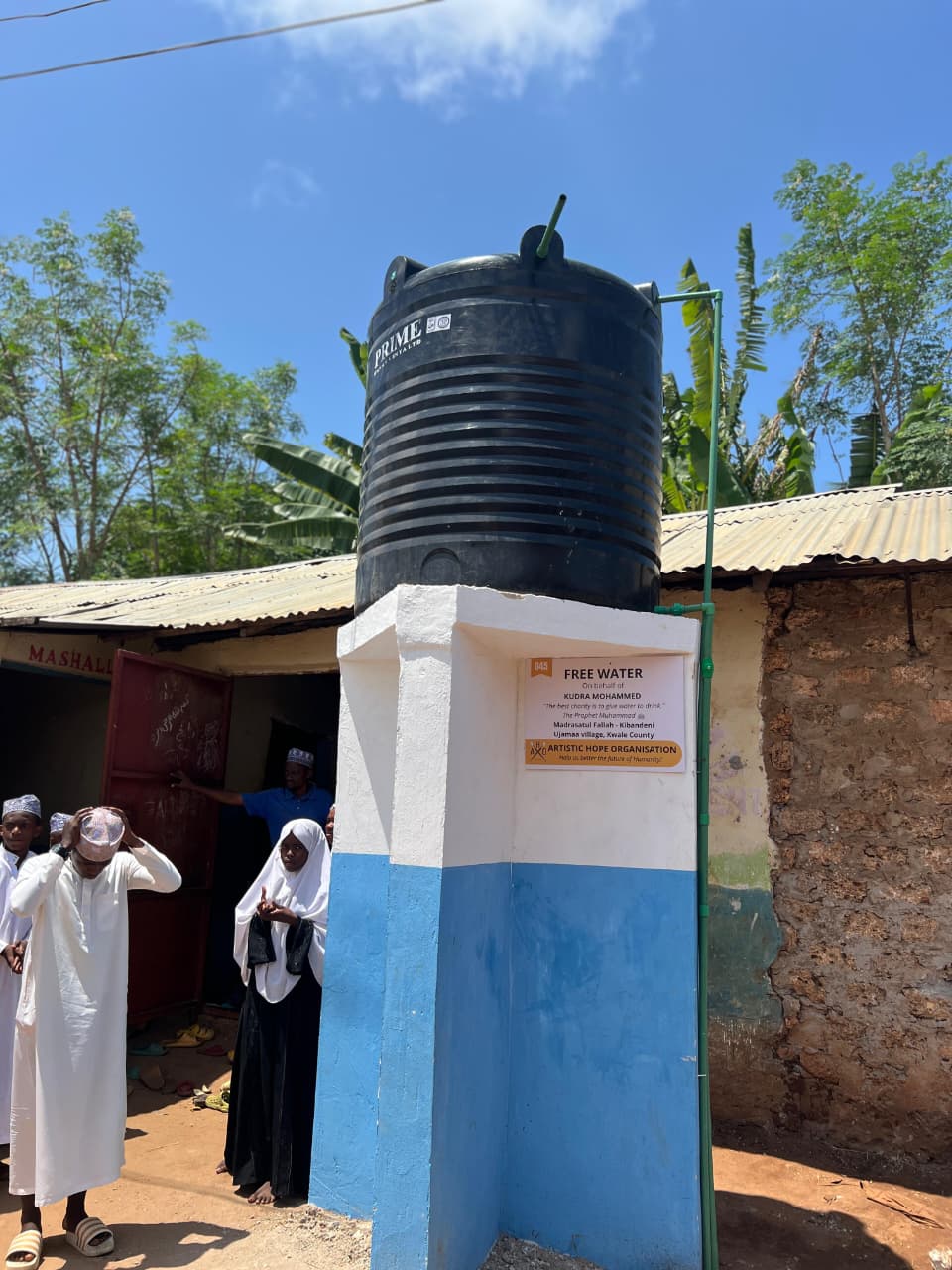
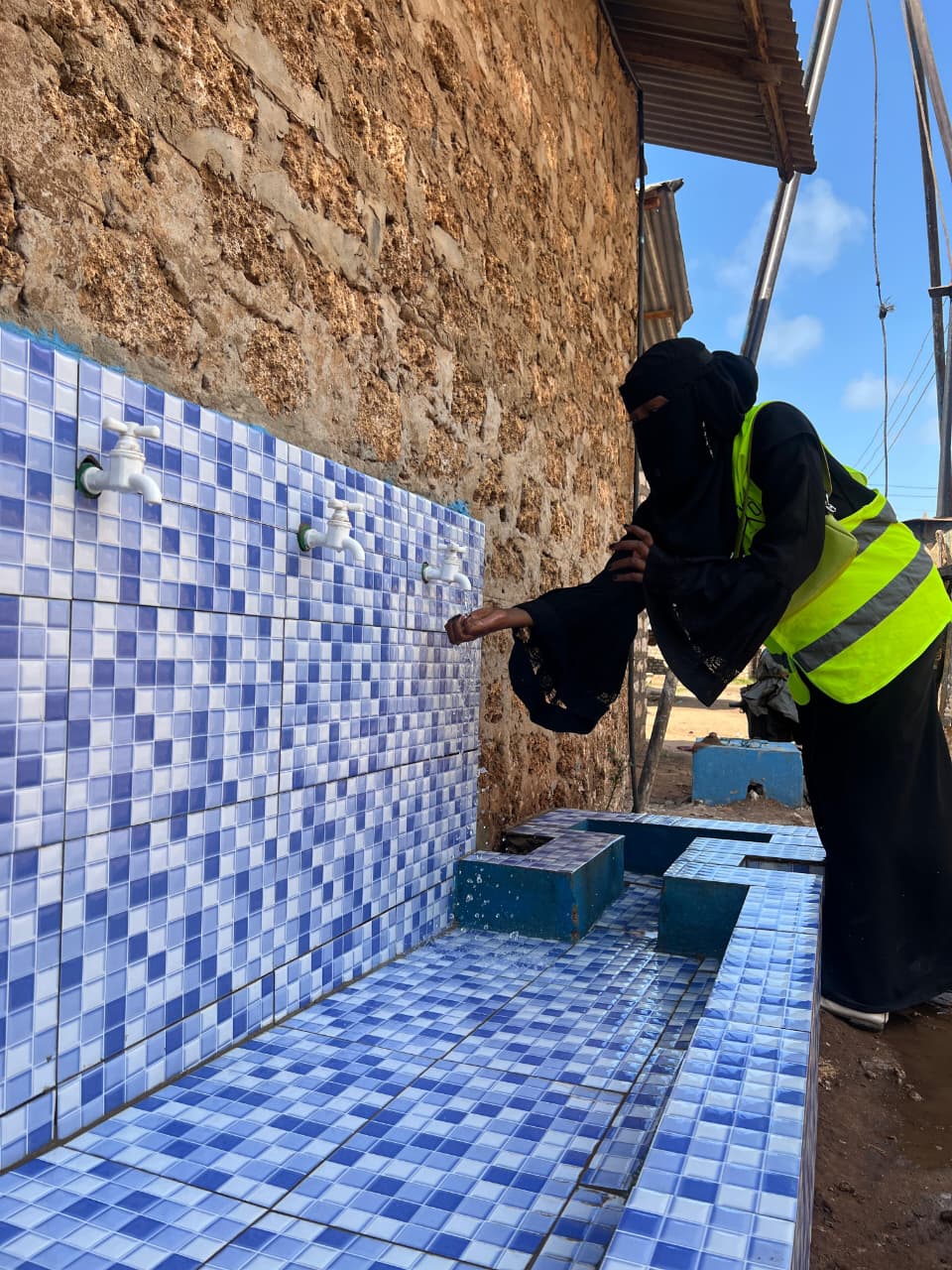
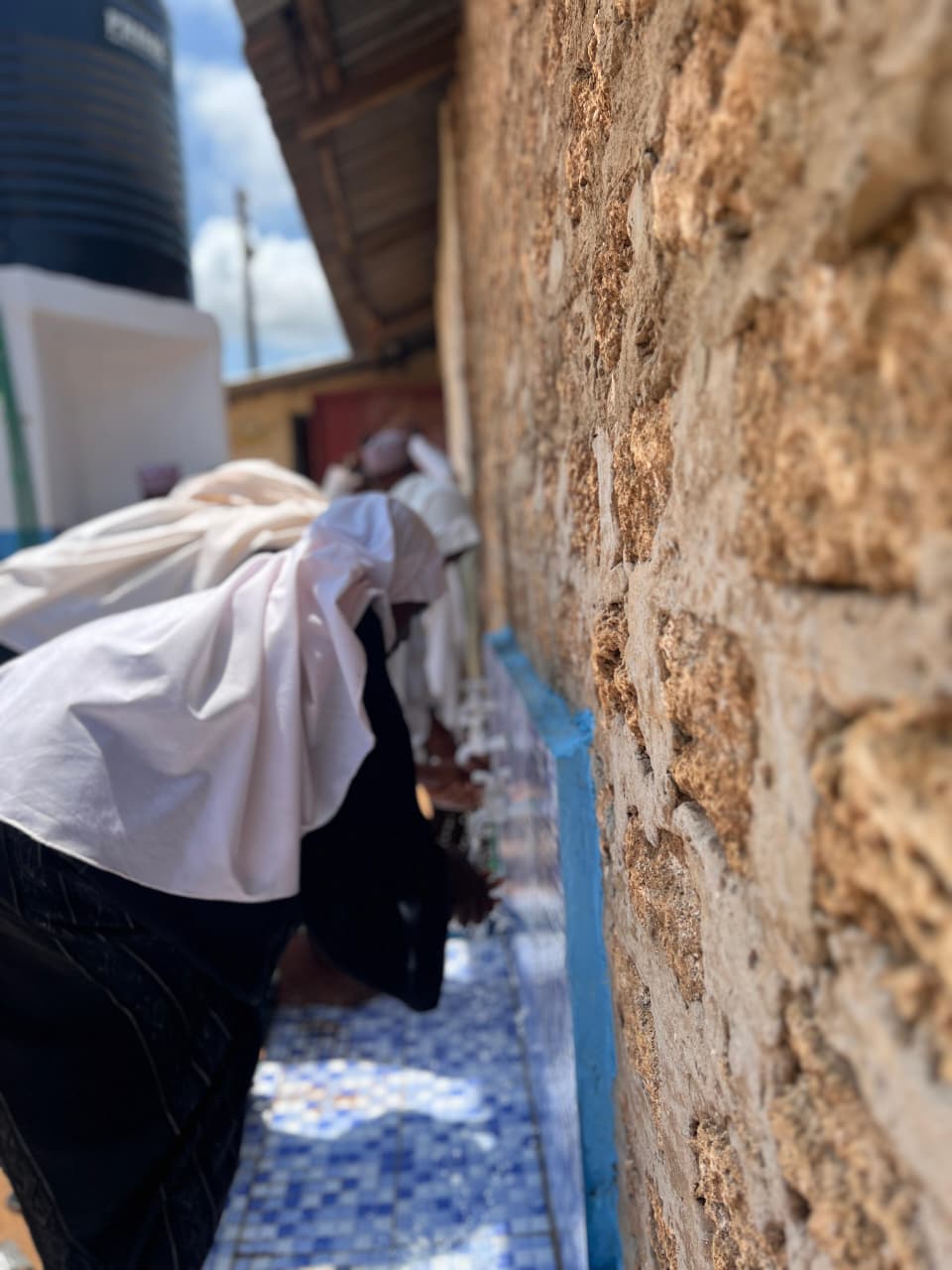
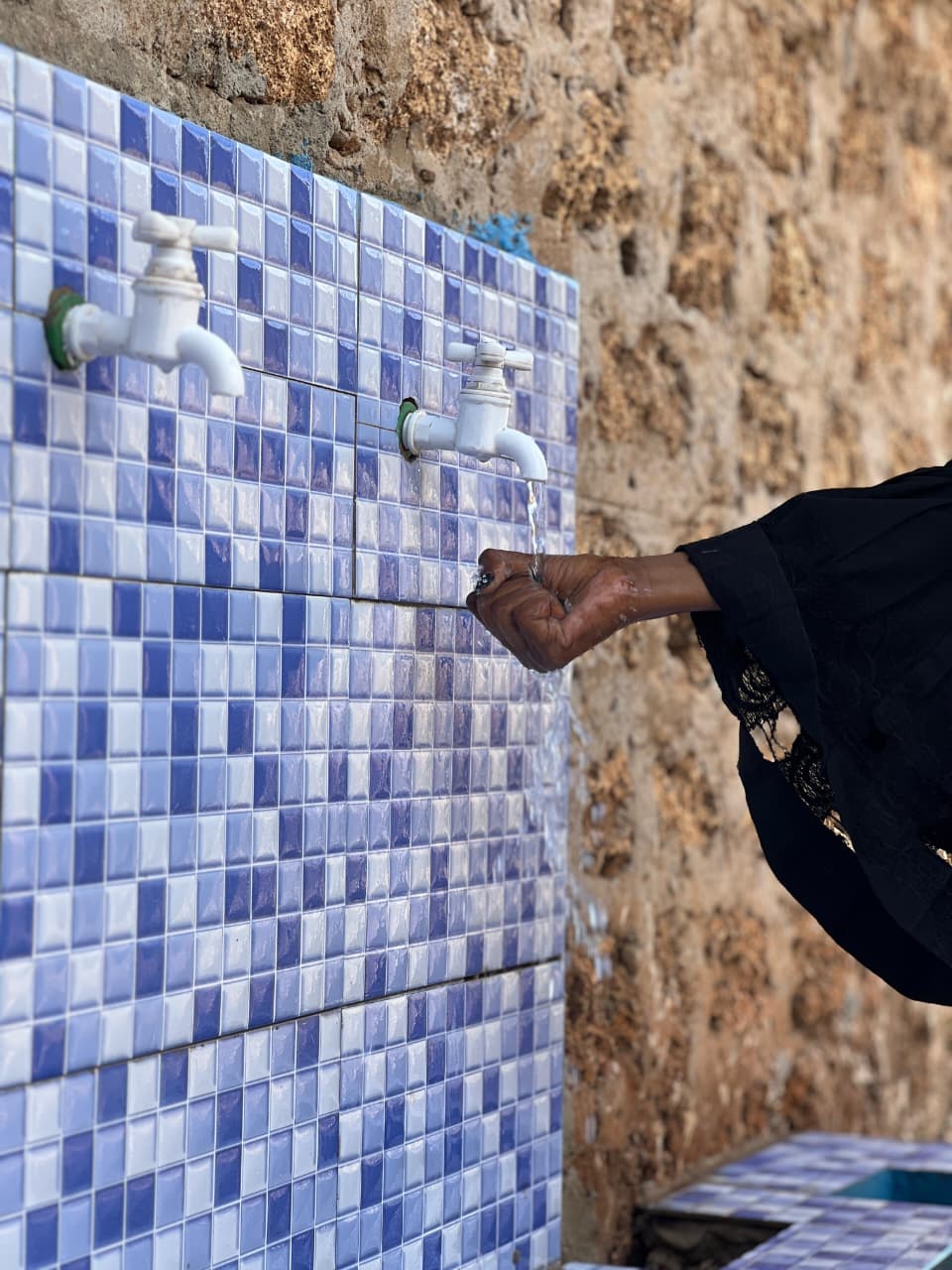
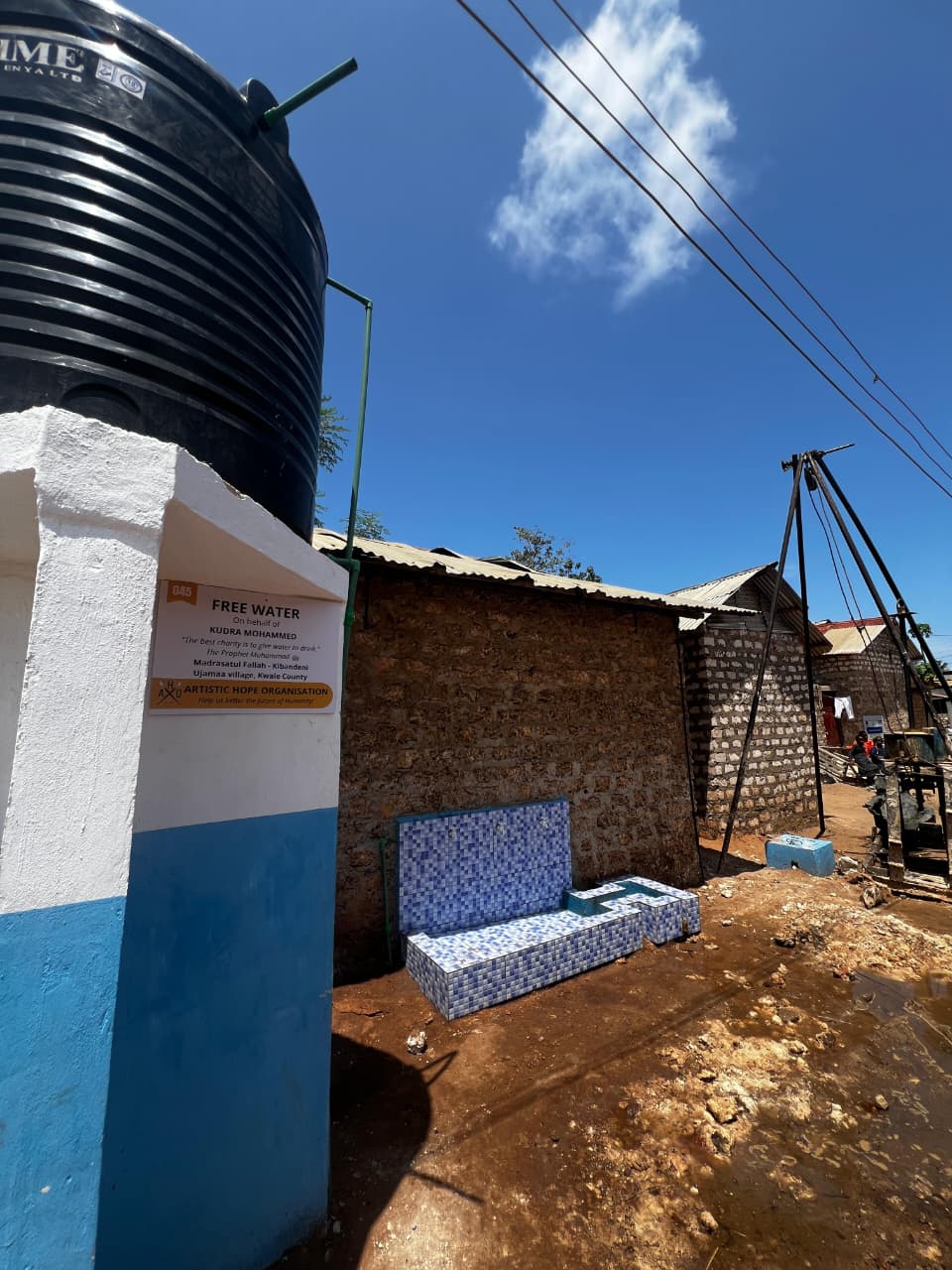
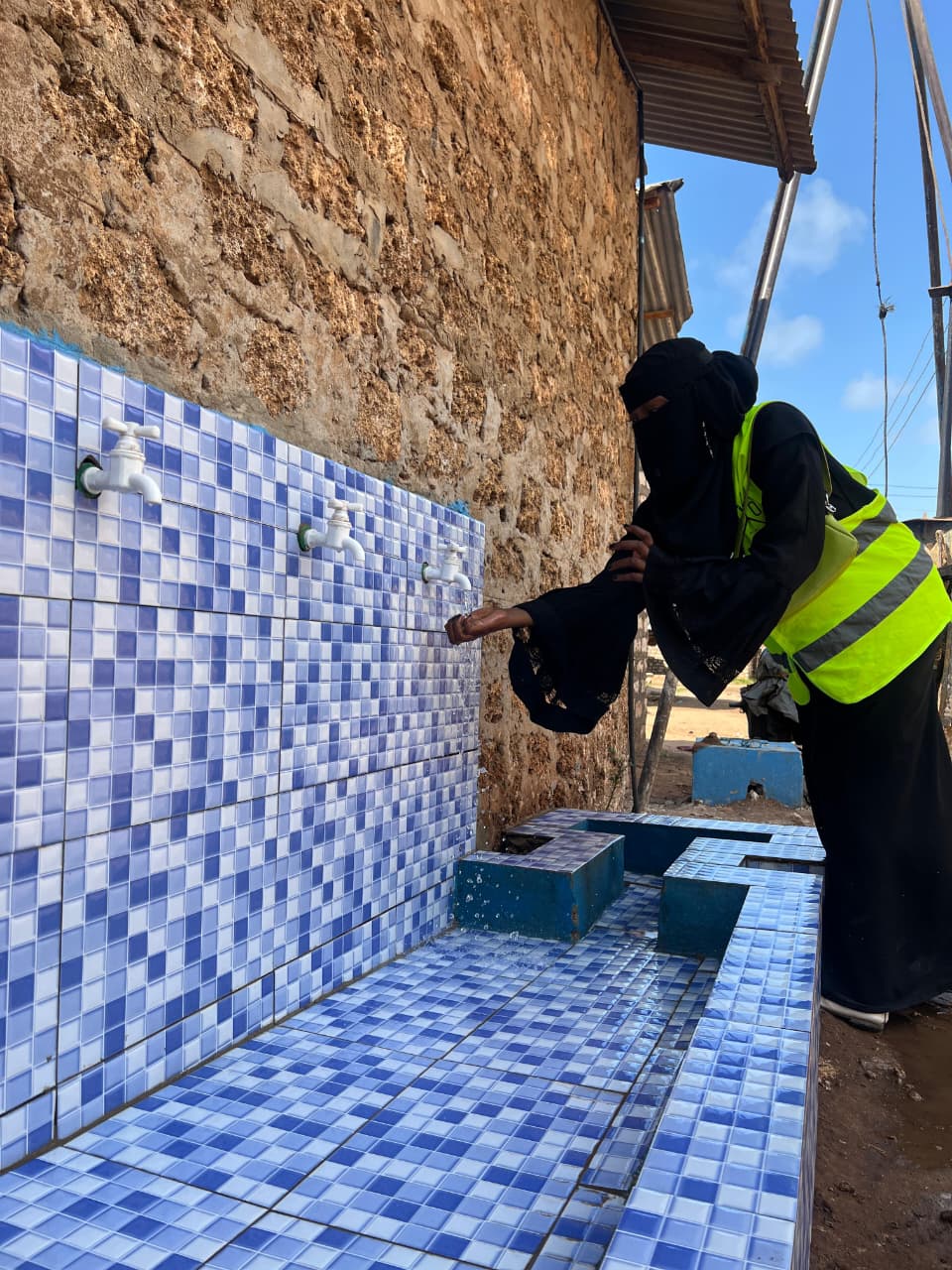
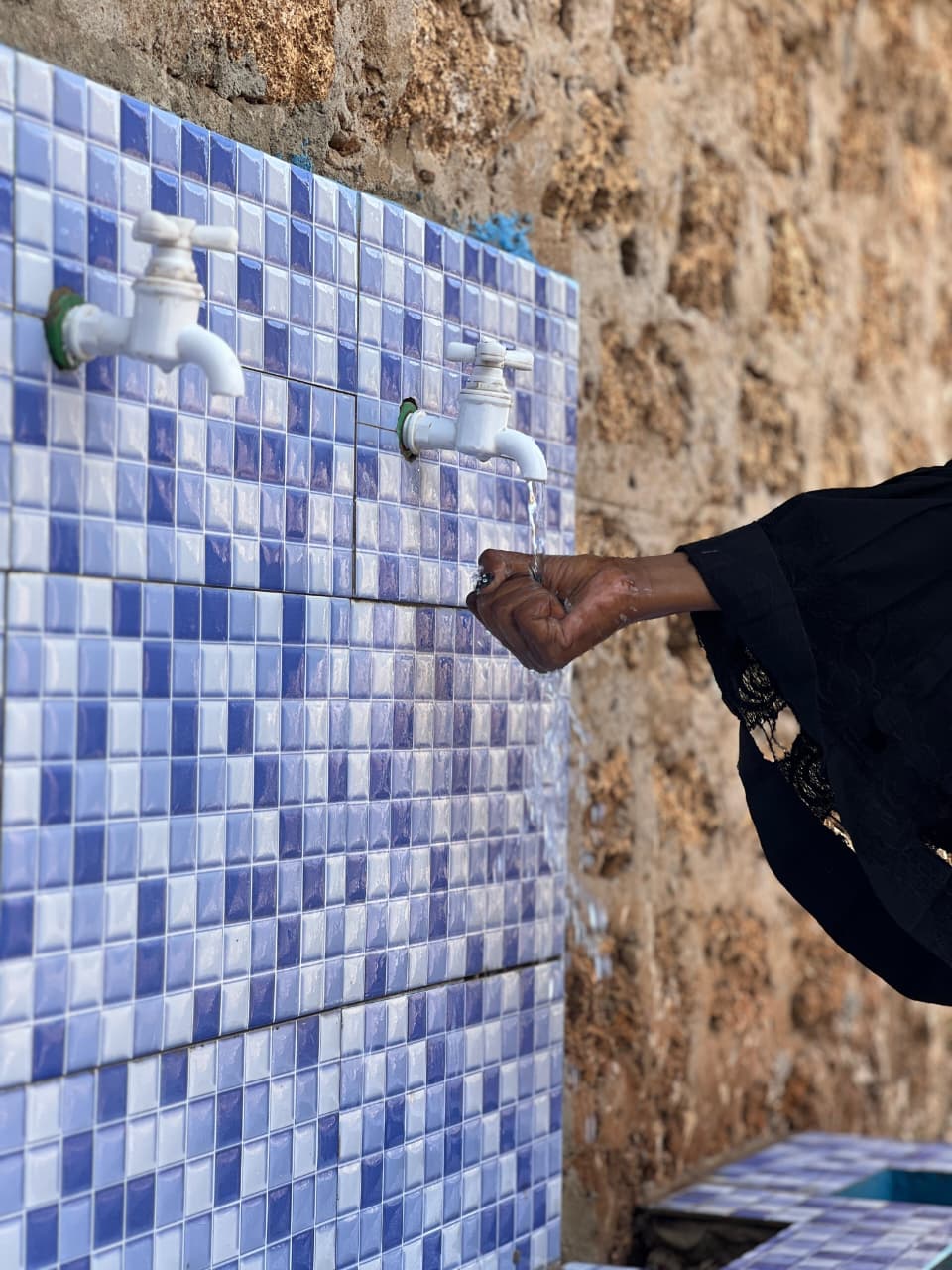
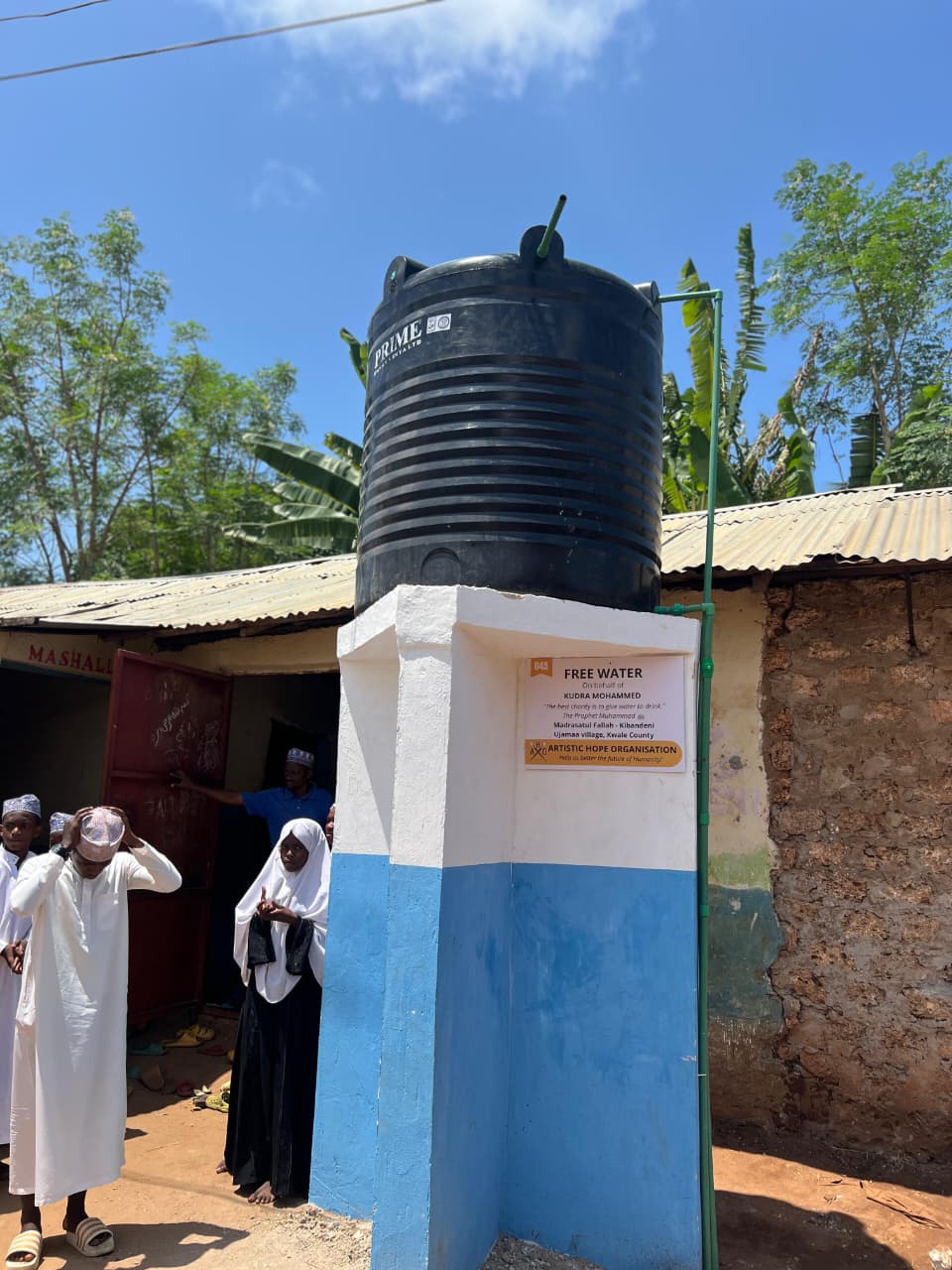
In 2025, the Nizar Foundation completed the installation of a solar borehole with block stand infrastructure at Madrasatul Fallah in Kibandeni Ujamaa village, Kwale County.
The site was selected following a field assessment and on-ground coordination to verify community need before any funds were committed.
Solar infrastructure was chosen deliberately. A solar-powered borehole operates independently of grid electricity, meaning the community is not subject to power outages, fuel costs, or utility infrastructure that does not reach rural villages.
The system operates using the most consistently available resource in the region: sunlight.
The project contributes to long-term safe drinking water access and sustainable water infrastructure development in rural Kwale County.
Confirmed minimum impact: 1,200 students | 500 community members | 1 permanent solar-powered water source
What This Changes
A borehole at an educational institution carries a specific weight.
Students who previously left school grounds to find water during the day now have access on site. Attendance, focus, and time in the classroom are directly affected by whether a child is thirsty, whether a parent sent them with enough water, and whether the school environment meets basic health standards.
A permanent water source changes all three.
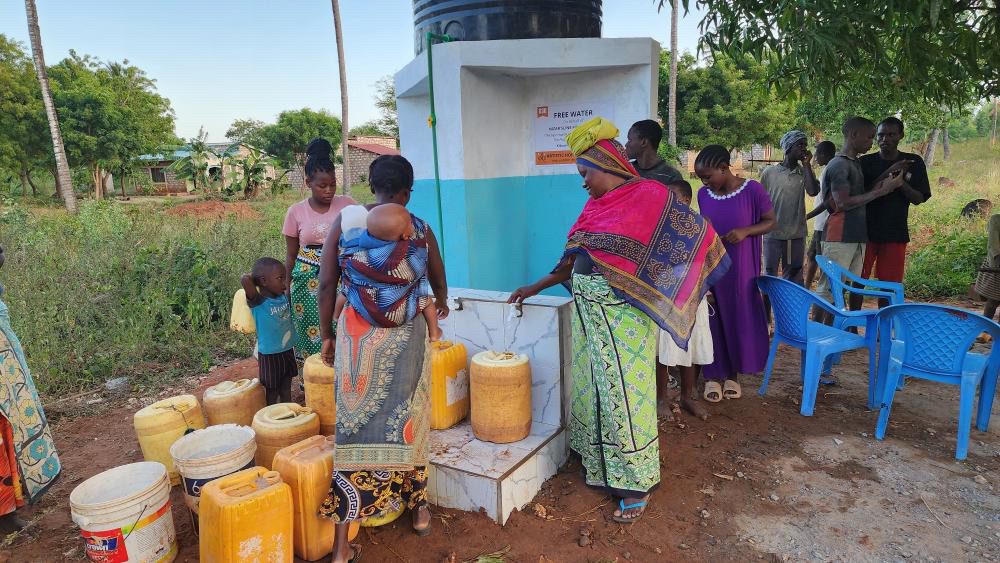
Beyond the school, the madrassa and the surrounding community of Kibandeni Ujamaa village benefit fully from the same water source, serving households, religious and educational activities, small-scale farming, and sanitation needs year-round.
A solar borehole at this scale supports:
- Clean drinking water access for 1,200 students during school hours
- Reduced absenteeism linked to water-related illness
- Improved sanitation and hygiene standards within the school environment
- Household water access for the surrounding community
- Small-scale farming and irrigation for community families
- Water access for livestock during dry seasons
- Independence from grid electricity, ensuring consistent operation regardless of power availability
- Community stability through dry seasons when surface sources fail
In rural Kenya, poor households spend a significant amount of time fetching water, with some spending over 100 minutes per day under normal conditions and as much as 200 minutes per day during periods of scarcity.
A solar borehole installed at the center of a community does more than provide water. It returns time, stability, and daily access to a basic human necessity.
How We Work
Nizar Foundation projects are approached through a structured process that prioritizes assessment, sustainability, and long-term community support.
- Field assessment and community needs verification
- Professional site survey and drilling
- Full installation and infrastructure setup
- Official community launch with prayers and sadaqa distributed through the Foundation
- Minimum of one annual follow-up assessment conducted by the ground team
- Documented impact reporting
Our approach emphasizes continued follow-up, accountability, and long-term community support beyond installation.
Featured Quote
“Water access changes education, health, and the rhythm of daily life.”
Project Details
- Project Location: Kibandeni Ujamaa Village, Kwale County, Kenya
- Year Completed: 2025
- Project Status: Completed, Annual Follow-up Ongoing
- Initiative Type: Clean Water Access
- Students Impacted: 1200
- Community Members Impacted: 500
- Total Estimated Reach: 1700
- Infrastructure Type: Solar borehole, block stand